News
CATL Unveils Next-Generation EV Batteries with Ultra-Fast Charging and Sodium-Ion Breakthrough

April 22, 2026

10
Min

The global EV industry may be entering another major turning point. CATL, one of the world’s biggest battery makers, has just introduced a new wave of battery technologies that could reshape expectations for electric vehicles in the years ahead.
Among the biggest highlights are an upgraded Qilin battery promising a driving range of up to 1,000 km, a new Shenxing battery capable of charging from 10% to 98% in under 7 minutes, and CATL’s plan to begin mass deliveries of sodium-ion batteries in the fourth quarter of 2026.
Together, these announcements signal one thing clearly: battery innovation is moving faster than ever.
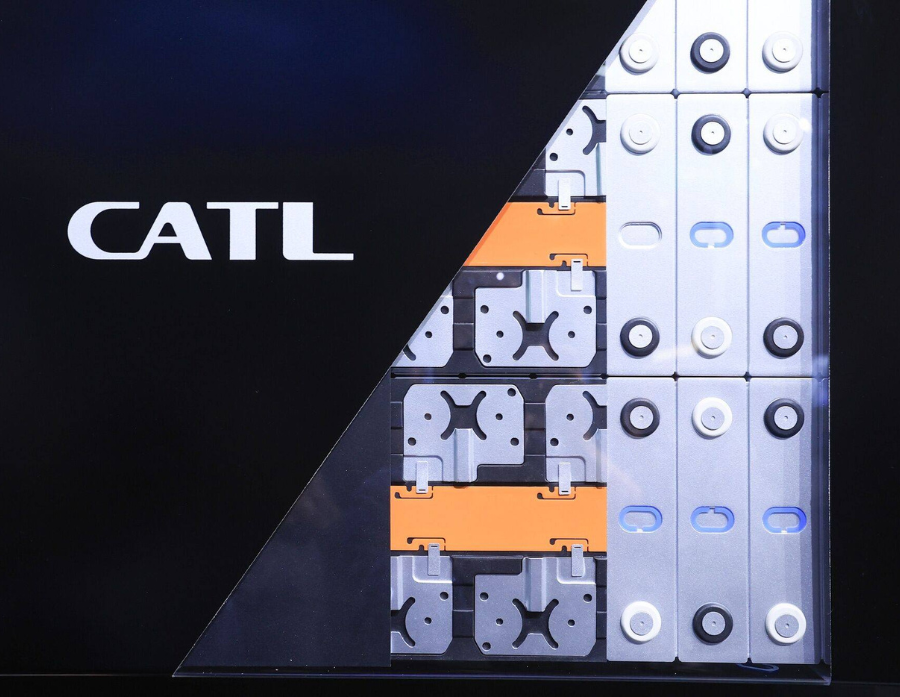
Range remains one of the biggest concerns for EV buyers. Even though modern electric vehicles have improved significantly, many consumers still worry about how far they can go on a single charge.
CATL’s latest Qilin battery aims to address exactly that. With a claimed range target of around 1,000 kilometers, this battery could help reduce range anxiety and make EVs even more practical for long-distance travel.
If these performance targets are achieved in real-world applications, it would mark a major step forward for the industry. Longer range does not just improve convenience. It also strengthens consumer confidence and helps position EVs as a true alternative to gasoline-powered vehicles for every type of driver.
Perhaps even more attention-grabbing is CATL’s updated Shenxing battery. According to the company’s announcement, the battery can charge from 10% to 98% in less than 7 minutes.
If that level of charging speed becomes commercially viable at scale, it could dramatically change the EV ownership experience. One of the most common complaints about electric vehicles is that charging takes too long compared with refueling a traditional car. But when charging times drop to just a few minutes, that gap starts to narrow in a meaningful way.
Fast charging at this level could make EVs more appealing not only to regular consumers, but also to commercial fleets, ride-hailing drivers, delivery businesses, and other users who depend on minimal downtime.
Another important part of CATL’s announcement is its sodium-ion battery roadmap. The company says it plans to begin mass deliveries in Q4 2026.
This is significant because sodium-ion batteries have long been viewed as a promising alternative to lithium-ion technology. Sodium is more abundant and potentially less expensive, which could help improve supply chain stability and reduce cost pressures over time.
While sodium-ion batteries may not immediately replace lithium-ion in all applications, they could become a strong option for certain vehicle categories, energy storage systems, and markets where affordability and raw material availability matter most.
For the broader EV industry, this opens the door to a more diversified battery ecosystem.
CATL’s latest battery announcements are important not just because of the performance claims, but because they reflect a broader industry trend. Battery companies are no longer focused only on small annual improvements. They are racing to deliver major jumps in range, charging speed, efficiency, and chemistry innovation.
This matters for automakers, consumers, and investors alike.
For automakers, more advanced batteries can create stronger product offerings and improve competitiveness in an increasingly crowded market.
For consumers, better batteries mean longer range, faster charging, and potentially lower costs in the future.
For the market as a whole, breakthroughs like these could accelerate EV adoption worldwide and increase pressure on competitors to innovate faster.
CATL’s move also reinforces its position as a global leader in battery technology. By advancing both premium high-performance batteries and alternative chemistries like sodium-ion, the company is showing that it wants to lead across multiple segments of the future energy market.
This could push rivals to speed up their own development efforts, especially as governments and manufacturers continue investing heavily in electrification.
In other words, this is not just a product launch. It is a competitive statement.
CATL’s new battery announcements could mark one of the most important EV technology updates of the year. A 1,000 km battery range, near-full charging in under 7 minutes, and commercial sodium-ion deployment by late 2026 are all bold developments that could have real consequences for the future of electric mobility.
Of course, the real test will be how these batteries perform in large-scale commercial use and how quickly automakers adopt them. But even at this stage, the message is clear: the battery race is accelerating, and the next generation of EVs may look very different from what we see on the road today.